
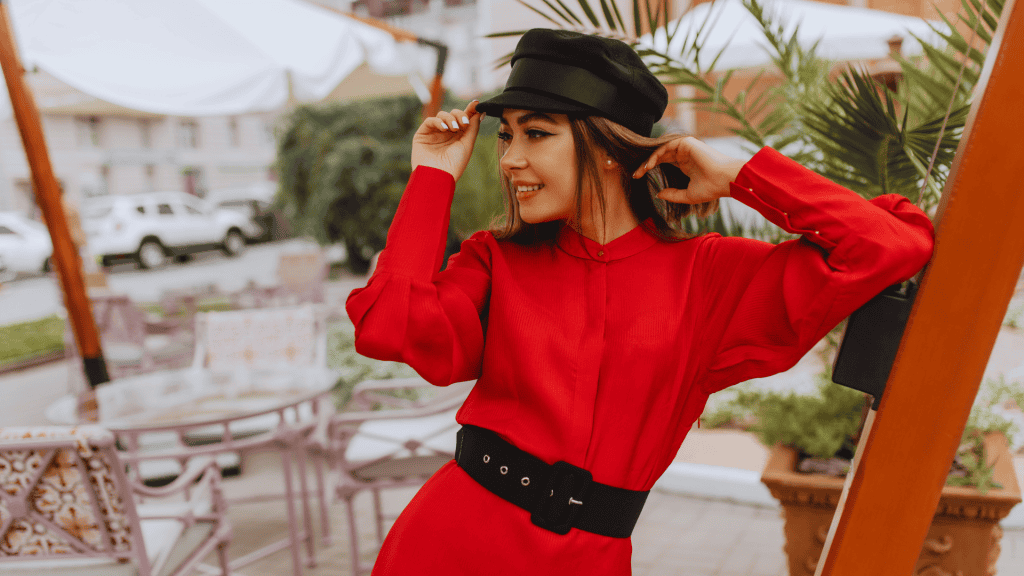
Dressing with confidence comes down to understanding what suits one’s body shape, personal style, and the occasion. When someone selects clothing that fits well and feels comfortable, it naturally boosts their self-assurance. Confidence in dressing is achieved by wearing clothes that fit properly and reflect one’s authentic style.
Many focus on trends, but true confidence stems from knowing how to present oneself authentically. Choosing colours, fabrics, and cuts that enhance one’s features creates a sense of control and comfort in any setting.
Building a wardrobe with versatile, well-fitting pieces tailored to personal preferences allows someone to face the day with certainty. This approach removes guesswork and empowers a person to dress deliberately, not just automatically.
Understanding the Foundations of Dressing With Confidence
Dressing with confidence relies on mastering key elements that support a positive self-image. It involves knowing how to reflect individuality while ensuring physical comfort in clothing choices. These aspects influence how someone feels and projects confidence in daily life.
Personal Style and Self-Expression
Personal style is the way someone chooses to express their identity visually through clothing. It should reflect their tastes, lifestyle, and values rather than following fleeting trends. When people wear outfits that align with who they truly are, they naturally feel more poised.
Developing a personal style requires exploring different colours, fabrics, and cuts to find what feels authentic. Maintaining a wardrobe consistent with one’s personality simplifies dressing decisions, reducing stress. This clarity in presentation can boost confidence by helping others recognise and respect one’s individuality.
Comfort and Fit
Comfort is foundational to confidence in dress because discomfort distracts and undermines assurance. Clothes must fit well — not too tight or loose — to allow ease of movement and promote good posture. Proper fit highlights body shape without exaggeration or concealment, creating a balanced appearance.
Factors like fabric type, garment construction, and weather suitability also impact comfort. Prioritising these makes dressing a functional, enjoyable experience. When someone feels physically comfortable, they focus more on their interactions and less on adjusting their clothes, enhancing overall confidence.
Choosing Colours and Outfits That Empower You
Selecting colours and outfits that truly boost confidence means understanding what best suits individual features and emotions. This approach ensures clothing not only looks good but also enhances how a person feels in their daily life.
Identifying Your Best Colours
Determining the most flattering colours begins with recognising one’s complexion undertone. People with cool undertones usually benefit from jewel tones like sapphire, emerald, and amethyst. Warm undertones are complemented by earthy hues such as burnt orange, olive green, and mustard yellow.
A simple test involves examining veins: blueish veins often indicate cool undertones, while greenish ones suggest warm undertones. Neutral undertones suit versatile colours like soft whites and mid-grey. Wearing these colours can make skin appear radiant and eyes brighter.
Using Colour Psychology in Wardrobe Choices
Colours impact mood and perception. Red conveys energy and authority, making it ideal for important meetings or presentations. Blue fosters calmness and trust, suitable for teamwork and interviews.
Yellow stimulates creativity and optimism, but should be used sparingly as bright shades can be overwhelming. Black signals sophistication and control but can appear severe if overused. Incorporating colours consciously can align outfits with the wearer’s desired impression and internal confidence.
Dressing for Your Body Shape and Individual Features
Understanding how to dress effectively involves recognising key elements of body shape and identifying features that can be accentuated or balanced. Personal style should reflect both shape and natural proportions to enhance confidence.
Recognising Your Body Shape
Body shapes generally fall into five categories: rectangle, pear, apple, hourglass, and inverted triangle. To identify a person’s shape, measuring the bust, waist, and hips is essential. For example, an hourglass shape features a defined waist with balanced bust and hips.
Each shape benefits from different styles. Pear shapes often suit A-line skirts that balance hips, while inverted triangles benefit from softer shoulder lines. Rectangles may add definition with belts and structured garments.
Accuracy in recognising body shape guides better clothing choices. Measurements taken around the fullest bust, the natural waist, and the widest hips provide a clear frame for this. Precise understanding avoids guesswork and suits individual proportions.
Sometimes, clothing adjustments are not enough to achieve the balance a person wants. Many individuals find that their natural proportions make it hard to find clothes that fit well. In these cases, some people look into surgical options to change their body shape.
For those seeking a more permanent change in their upper body proportions, options like breast augmentation Atlanta can help create a more balanced silhouette. This choice can make finding well-fitting clothes much easier and help people feel more comfortable in their own skin.
Flattering Your Unique Features
Highlighting personal features means choosing cuts and details that draw attention to strengths. For instance, if someone has long legs, cropped trousers or skirts can emphasise this. Similarly, a person with a smaller waist might choose fitted tops or dresses with waist cinching.
Patterns and colours also play a role in flattering features. Vertical stripes can elongate the body, while darker colours tend to minimise areas if desired. Necklines such as V-necks or scoop necks can complement broader shoulders or a larger bust.
Accessories add to the effect but must align with body shape. A wide belt can highlight the waist on an hourglass figure, but may overwhelm a rectangular shape. Understanding these nuances improves the overall balance and confidence in dressing.
Enhancing Confidence With Finishing Touches and Mindset
Small decisions in appearance and attitude can significantly boost your confidence. Intentional choices about style details and body language influence how others perceive you and how you feel about yourself.
Selecting Accessories Purposefully
Accessories should complement the outfit and reflect personal style without overwhelming it. Choosing a quality watch, minimal jewellery, or a well-selected bag can add polish and professionalism.
Colour coordination matters. Matching accessories with key clothing elements creates harmony. For example, a leather belt matching the shoe colour adds cohesiveness.
Keep functionality in mind. Items like sunglasses or scarves serve a purpose while enhancing appearance. Avoid over-accessorising, which can distract from the overall look.
Accessories can reinforce a confident image by signalling attention to detail. Investing in a few versatile pieces allows for easy outfit upgrades and supports a strong, self-assured presence.
Embracing Posture and Attitude
Posture directly affects perceived confidence. Standing or sitting straight with shoulders back opens the chest and promotes a commanding presence.
Eye contact and a calm voice communicate assurance. Avoid fidgeting and closed body language, like crossed arms, to appear more approachable and self-possessed.
Mindset plays a crucial role. Before dressing, focusing on positive affirmations or visualising success can enhance confidence. Feeling good mentally supports wearing clothes with conviction.
Regular practice of confident posture and a grounded attitude gradually embeds self-assurance into daily behaviours, making confidence a natural part of how someone presents themselves.