
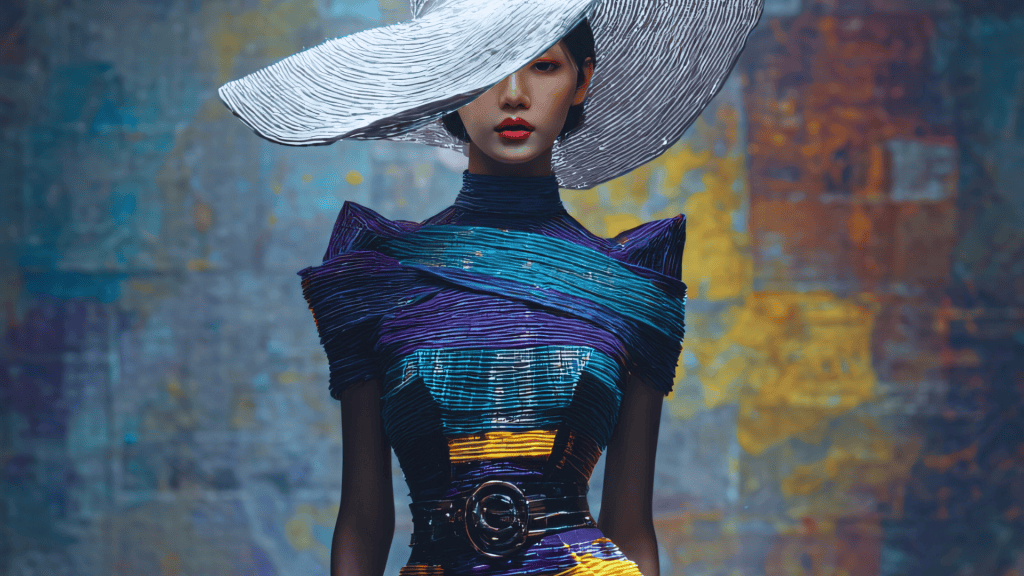
The boundary between art and fashion has become increasingly fluid, challenging traditional perceptions of both fields. Designers now create pieces that function as wearable art, while artists draw inspiration from fashion to enhance their work. This convergence reshapes how creativity is expressed and perceived, blurring the line between practical design and artistic statement.
Many fashion collections today prioritise conceptual ideas and visual storytelling, elevating garments beyond mere clothing to forms of personal and cultural expression. At the same time, art exhibitions often incorporate fashion elements, showcasing collaboration and mutual influence. This interplay invites the audience to reconsider what defines art and fashion.
Exploring this blurred line reveals how both disciplines influence social trends, identity, and innovation. By understanding their intersection, readers can appreciate the evolving role of creativity in everyday life and the cultural landscape.
Unravelling the Blurred Boundaries Between Art and Fashion
The relationship between fashion and art challenges traditional definitions of creativity. This section explores how fashion acts as an artistic medium, the distinctions and commonalities they share, and how modern views increasingly consider fashion a form of fine art.
Defining Artistic Expression in Fashion
Artistic expression in fashion emerges through design, materials, and cultural symbolism. Designers use garments as canvases, incorporating elements like colour, texture, and shape to convey messages and emotions.
Fashion can embody narrative storytelling or social commentary, much like traditional art forms. For example, haute couture often goes beyond practicality to explore conceptual ideas, pushing fashion into an artistic realm.
The use of craftsmanship and innovative techniques further establishes fashion’s role in artistic expression. Techniques such as embroidery, draping, and fabrication demonstrate skill and creativity akin to painting or sculpture.
Key Differences and Overlaps
Fashion primarily serves a functional purpose—clothing the body—whereas art is usually created for aesthetic appreciation or intellectual engagement. However, this distinction is often tenuous.
Overlaps occur when fashion transcends wearability to become a form of visual or tactile art. Exhibitions in museums blur these lines by presenting garments as art objects.
| Aspect | Fashion | Art | Overlap |
| Purpose | Practical, aesthetic | Aesthetic, conceptual | Fashion presenting ideas |
| Medium | Fabric, textiles | Diverse (paint, sculpture) | Use of material innovation |
| Audience interaction | Wearer engagement | Viewer contemplation | Both provoke a reaction |
Contemporary Perspectives on Fashion as Art
Contemporary artists and designers increasingly challenge the division between fashion and fine art. Collaborations between fashion houses and artists highlight this shift.
Art critics and museums now often consider fashion pieces as collectable art objects. This perspective promotes fashion’s recognition beyond commerce and trend cycles.
Fashion shows and installations integrate performance and visual art, emphasising the experiential and conceptual nature of modern fashion as artistic expression.
Historical Evolution and Major Influences
The relationship between art and fashion has evolved through centuries, driven by key cultural shifts and creative exchanges. From shared aesthetics to collaborative projects, this interplay shapes both disciplines.
Influence of Art Movements on Fashion Design
Art movements frequently inspire fashion designers by offering new perspectives on form, colour, and abstraction. For example, Cubism’s fragmented shapes influenced the angular cuts of 1920s garments, while Surrealism inspired unconventional textures and patterns in later collections. The Bauhaus movement’s emphasis on minimalism and function translated directly into modernist fashion designs.
Haute couture houses have often incorporated these elements, blending artistic principles with craftsmanship. Designers like Yves Saint Laurent and Elsa Schiaparelli drew heavily from Dadaism and Pop Art, translating paintings into wearable pieces. This crossover reveals how art movements serve as catalysts for innovation in fashion aesthetics and techniques.
Fashion as a Reflection of Artistic Eras
Fashion often mirrors the dominant artistic styles of its time, reflecting societal values and technological advances. The Renaissance’s rich fabrics and intricate detailing echoed its era’s emphasis on grandeur and humanism.
In the 20th century, the fluidity of Impressionism aligned with softly draped materials in women’s fashion. The geometric precision of Art Deco was evident in both fashion silhouette and textile patterns during the 1920s and 1930s. These fashion trends act as visual documents of artistic eras, preserving cultural narratives through clothing.
Iconic Designer-Artist Collaborations
Collaborations between designers and artists reinforce the blurred boundary between art and fashion. Notable partnerships include Louis Vuitton working with Jeff Koons to create bags featuring classic paintings, and Prada commissioning painters like Damien Hirst for unique textile designs.
These collaborations extend beyond aesthetics, often producing limited-edition pieces that challenge notions of commercial fashion. They signify mutual influence and respect, where artistic creativity complements fashion’s commercial and functional nature. These alliances also elevate fashion pieces to a collectable, artistic status.
Innovation, Technology, and the Future of Artistic Fashion
The fusion of creativity and technology is reshaping artistic expression within fashion. Designers leverage materials and presentation methods that challenge traditional boundaries, while emerging cultural trends influence both aesthetics and function.
Smart Textiles and Wearable Technology
Smart textiles incorporate embedded sensors and responsive fibres, enabling garments to react to environmental stimuli such as temperature or movement. Fashion houses integrate these innovations to create interactive pieces that enhance user experience beyond aesthetics.
Wearable technology moves beyond accessories, embedding functionality directly into clothing. Examples include LED-illuminated fabrics and garments with biometric monitoring capabilities. These advances transform fashion into a platform for personal expression and practical utility within the industry.
Avant-Garde Runway Shows
Runway presentations increasingly blend theatrical elements and technology to showcase artistic narratives. Designers employ digital projections, augmented reality, and unconventional staging to create immersive viewing experiences.
These shows push the limits of live fashion events, emphasising concept over commercial appeal. They attract critical attention and broaden the dialogue between art and fashion, reinforcing the runway as a space for innovation and experimentation.
Emerging Trends and Cultural Impact
Sustainability and inclusivity feature prominently in current fashion dialogues, influencing material choices and design processes. Emerging trends often merge ecological responsibility with technological advancement, altering industry norms.
Cultural movements inspire collaborations between artists and designers, producing hybrid works that reflect societal shifts. This interaction drives the evolution of fashion from mere clothing to a dynamic cultural statement.