
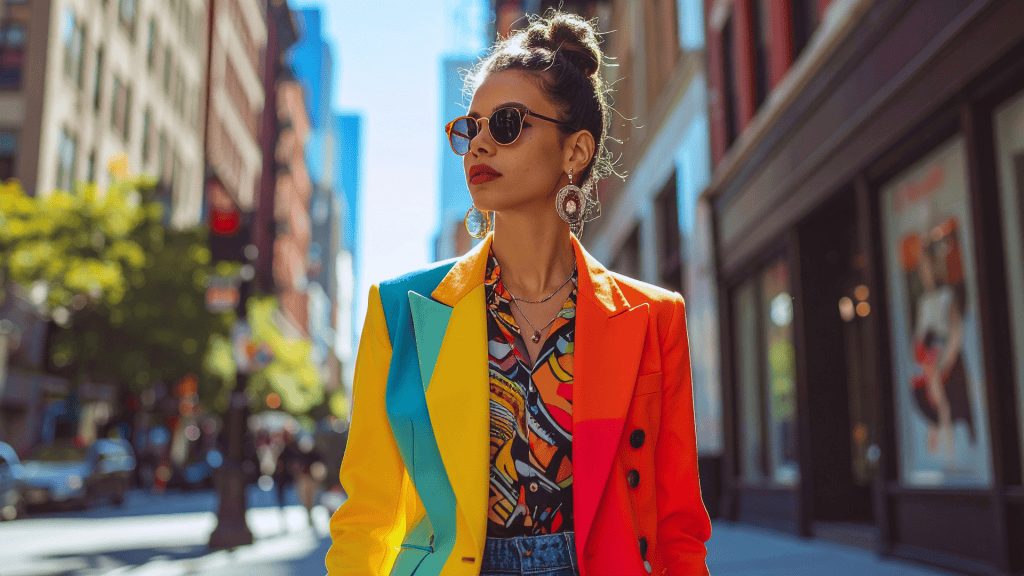
Many people hesitate to dress boldly because they worry about appearing overdressed. The key is to balance standout pieces with neutrals or simple accessories, creating a look that draws attention without overwhelming. This approach ensures confidence and style without feeling out of place.
Choosing outfits that reflect personal taste while respecting the occasion helps avoid discomfort. Layering, mix-and-match textures, and subtle statement items allow for a more approachable boldness.
By understanding the context and prioritising comfort, anyone can embrace bold fashion in a way that feels natural and appropriate. This makes dressing boldly accessible every day, not just for special events.
Mastering the Art of Dressing Boldly Without Overdoing It
Dressing boldly requires a balance between making a statement and fitting into the environment. This balance involves recognising subtle cues in style choices, appropriate settings, and building personal confidence to wear standout pieces without hesitation.
Understanding the Line Between Bold and Overdressed
Bold dressing involves clear intention and restraint. It’s about incorporating striking elements like vibrant colours, unique cuts, or statement accessories without overwhelming the entire outfit. For example, pairing a bright blazer with neutral trousers prevents clashing and keeps the look grounded.
Overdressing occurs when too many strong elements compete, causing confusion rather than impact. A simple rule is to pick one focal point, such as bold shoes or a patterned top, and keep the rest minimal. This approach avoids the feeling of excess and maintains a polished appearance.
Choosing Appropriate Occasions for Bold Outfits
Not every environment suits bold fashion. Formal business settings or conservative events usually call for muted tones or classic styles. Bold outfits thrive in creative workplaces, social gatherings, or events with fashion-forward attendees.
Recognising the occasion helps to tailor bold choices accordingly. For instance, a daring colour or cut works well at a party but might be out of place at a client meeting. When in doubt, blending bold pieces with classic wardrobe staples can bridge the gap between statement and suitability.
Building Confidence in Your Style Choices
Confidence is key for any bold look to succeed. Developing style assurance starts with familiarising oneself with different bold elements through trial and error in the wardrobe. Practising dressing with distinctive items in casual settings builds comfort over time.
They should focus on fit and comfort first; a well-fitting outfit automatically boosts confidence even if the style is unconventional. Positive feedback from trusted friends or style resources can reinforce self-assurance. Confidence completes the bold look, making it feel natural rather than forced.
Balancing Boldness: Colour, Patterns, and Silhouettes
To dress boldly without feeling overdressed, it’s crucial to combine striking elements with restraint. Colour, pattern, and silhouette choices affect how bold looks are perceived and matched to everyday wear.
Using Neutral Tones to Ground Bold Colours
Neutrals act as a stabilising base when wearing strong colours like red, blue, or green. Pairing a bold red blazer with a neutral base, such as black trousers or beige knitwear, calms the outfit.
Using colours like white, grey, black, or brown balances vibrancy without dulling it. Neutrals allow one statement piece to stand out without overwhelming.
Heavier fabrics in neutral tones also provide subtle contrast to bright colours, making the ensemble visually coherent. For instance, a neutral-coloured camel coat works well over a vivid green top.
Selecting the Right Colour Palette for Your Skin Tone
Choosing bold colours that complement one’s skin undertone prevents the outfit from appearing harsh. Warm undertones suit earthier reds and olive greens, while cool undertones work well with cobalt blue and jewel tones.
Testing colours near the face helps identify flattering shades. For example, those with fair skin may find bright blue adds vibrancy, while deeper skin tones often carry off rich reds effortlessly.
A colour palette tailored to skin tone ensures bold pieces enhance natural features. This reduces the risk of feeling out of place or overdressed.
Incorporating Bold Prints and Patterns Thoughtfully
Bold prints should be balanced with simpler elements to avoid clashing. A floral dress in vibrant colours pairs well with solid accessories or neutral shoes.
Limit bold patterns to one or two items. For instance, wearing a patterned blouse with plain trousers creates a clear focus without visual chaos.
Scale matters: large prints need simpler silhouettes, while small prints can appear as texture on structured garments. Thoughtful combinations maintain elegance while embracing boldness.
Styling Techniques for Effortless Bold Looks
Bold dressing works best when the elements are carefully balanced. A single strong piece can elevate an outfit without overwhelming it. Layers and combinations of formal and casual items add dimension and keep the look grounded.
Choosing One Statement Piece Per Outfit
Focusing on one statement piece keeps bold looks manageable. This could be a brightly coloured blazer, patterned trousers, or an oversized accessory. When wearing a statement piece, the rest of the outfit should remain neutral or simple to avoid clashing.
For example, a red structured blazer paired with tailored trousers in a neutral colour provides impact without excess. Bold shoes or a printed shirt can work as a statement, but not both at once. This maintains a sense of purpose and makes the piece stand out effectively.
Layering With Style for Dimension
Layering adds interest and texture while controlling boldness. Combining linen shirts with denim jackets, or wearing a light blazer over a patterned top, creates depth. Choosing fabrics with different weights—such as heavy denim with soft linen—prevents the look from feeling flat.
Layers should fit well around each other; avoid excessive bulk to keep silhouettes structured. The visible layering lines guide the eye without distraction. This technique helps integrate a statement piece into a more cohesive outfit effortlessly.
Mixing Tailored and Casual Pieces for Balance
Pairing structured silhouettes like tailored trousers with casual items creates a deliberate, stylish contrast. For instance, tailored trousers worn with a denim jacket tone down formality without compromising polish. Similarly, a blazer over a simple T-shirt balances boldness with laid-back ease.
This blend allows bold items to feel approachable. The structured elements provide shape and neatness, while casual pieces keep the look relaxed. Choosing quality fabrics and keeping colours complementary prevents the outfit from feeling mismatched or overdressed.
The Power of Accessories and Finishing Touches
Accessories are essential for creating a bold look that feels balanced rather than overwhelming. Small but deliberate choices help enhance an outfit’s impact without making it seem too formal or flashy.
Selecting Accessories to Accentuate but Not Overpower
When choosing accessories, focus on pieces that complement the outfit’s main colours or themes. For instance, a statement watch or a minimalistic necklace can draw attention without competing with bold clothing.
Avoid excessive layering of jewellery or overly bright accessories that clash with the outfit’s colours. Instead, opt for quality over quantity: a well-chosen belt, distinctive handbag, or classic sunglasses add interest with subtlety.
Materials and shapes matter. Leather, metal, or enamel accessories in clean lines blend well with bold shapes or patterns, striking a balance between eye-catching and refined.
Integrating Accessories for Subtle Pops of Boldness
Introducing accessories with unique textures or unexpected details can add boldness without excess. For example, coloured socks, patterned scarves, or textured hats offer points of contrast in an otherwise simple ensemble.
It’s effective to pick one or two standout accessories rather than covering the entire outfit in them. Combining a bright cufflink with a monochrome outfit or a vivid bag with neutral tones draws attention to specific details.
Consistency is important. Matching metal tones or repeating colours found in accessories maintains cohesion and prevents the look from feeling mismatched or overdressed.