
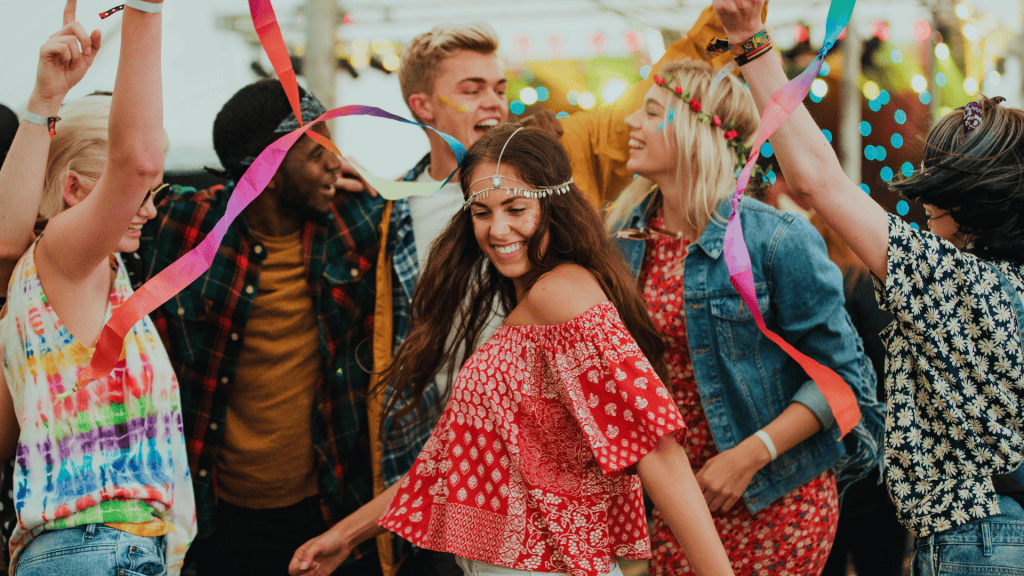
Music festivals have long been a hub for music lovers and fashion enthusiasts alike. Over the decades, festival fashion has shifted from simple and functional attire to bold, statement-making styles that reflect cultural trends and individual creativity. The evolution of music festival fashion mirrors broader social changes and continues to influence mainstream fashion worldwide.
Initially focused on comfort and practicality, festival outfits have grown to incorporate vibrant colours, unique patterns, and innovative fabrics. Attendees now use their clothing as a form of self-expression, blending nostalgia with contemporary styles. The changing lineups and festival vibes also play a significant role in shaping how festival-goers dress.
The Cultural Significance of Music Festival Fashion
Music festival fashion reflects more than just trends; it embodies cultural values and social movements linked to festival culture. The styles worn at festivals highlight individuality, creativity, and a break from everyday dress codes. These elements reveal how fashion intersects with personal and group identity.
Origins of Festival Style
Festival fashion originated in the 1960s and 1970s, closely tied to the counterculture movement. Events like Woodstock sparked a style defined by bohemian, hippie influences—flowing fabrics, floral patterns, and handcrafted accessories. This look was a form of rebellion against mainstream norms.
As festivals evolved, so did their fashion, incorporating elements from punk, rave, and electronic music scenes. Each era added distinct features, like neon colours in the 1990s or indie rock-inspired vintage wear in the 2000s. Festival style thus became a visual record of changing social attitudes.
Influence on Mainstream Culture
Music festival fashion has had a significant impact on mainstream fashion industries and retail. Designers often draw inspiration from festival trends, translating boho chic or streetwear into ready-to-wear collections. Brands like Coachella’s influence extends globally beyond the event.
Retailers have capitalised on festival season, promoting items such as denim shorts, crop tops, and statement jewellery as everyday wear. The cyclical nature of festival fashion also affects seasonal trends, merging subcultural aesthetics with high-street apparel.
Festival Fashion and Self-Expression
Festival fashion serves as a medium for self-expression and individuality within a communal setting. Attendees use clothing and accessories to communicate identity, moods, beliefs, or affiliations. This creates a dynamic environment where personal style is celebrated and visible.
This phenomenon encourages creativity, often leading to customised or DIY fashion pieces. The freedom at festivals allows participants to challenge traditional gender roles and experiment with bold looks, emphasising fashion as a personal and cultural statement.
Decades of Evolution: Key Eras in Festival Fashion
Festival fashion has reflected broader cultural and musical shifts over the decades, blending individual expression with the spirit of each era. From the free-spirited styles of the 1960s to the polished, celebrity-driven looks of the 21st century, these changes chart a clear evolution.
Woodstock and the Flower Power Era
The Woodstock festival of 1969 defined the hippie fashion movement, which centred on bohemian and nature-inspired styles. Attendees favoured loose, flowing clothing such as peasant blouses, bell-bottom trousers, and embroidered vests.
Key accessories included flower crowns, beads, and leather sandals. Denim was already popular, but taken into festival culture with a rugged, handmade feel through patches and ties. The aesthetic represented peace, love, and rebellion, making it the foundation for later festival looks.
The Rise of Punk and Grunge
The late 1970s and 1990s brought contrasting but equally influential styles. Punk introduced leather jackets, ripped clothing, and bold, dark statements often seen at underground gigs and smaller festivals.
In the 1990s, 90s grunge rose in festivals like Glastonbury, favouring flannel shirts, ripped jeans, and band t-shirts. Leg warmers and oversized jumpers also became part of this anti-fashion statement. Both eras reflected a shift towards rawness and individualism, diverging from earlier colourful optimism.
Glamour and Pop Influence
The 1980s and early 2000s saw festival fashion take on a more glamorous, pop-inspired look. Artists like Madonna popularised eclectic, bold outfits with neon colours, tulle skirts, and accessories such as chunky jewellery.
Neon tutus and eye-catching makeup became common. This period saw festival style merging with mainstream trends, resulting in more polished and visually striking ensembles. Denim remained a staple, but with a more tailored and embellished finish.
21st Century Trends and Celebrity Impact
Modern festivals combine vintage elements with cutting-edge fashion, heavily influenced by celebrities and social media. Denim and leather jackets persist, but are paired with boho dresses, wide-brim hats, and statement sunglasses.
Artists and influencers at Glastonbury and other major festivals often drive trends, blending comfort with high style. The use of floral accessories continues, but now coexists with bold, digital prints and sustainable fashion choices. This era is defined by versatility and the merging of past influences into new combinations.
Modern Influences and Trends Shaping Festival Looks
Festival fashion now blends diverse influences, from urban streetwear to eco-conscious choices. The impact of social media and evolving ideas about gender also shape how attendees express themselves during festival season.
Streetwear and High Fashion
Streetwear has become a central part of festival style, with brands like Supreme leading the crossover between casual and luxury looks. Bold logos, oversized silhouettes, and sneaker culture define much of this trend.
High fashion labels increasingly incorporate streetwear elements, bringing tailored pieces into festival wardrobes. This fusion allows festival-goers to wear statement outfits that balance comfort and style.
Fast fashion brands continue to provide affordable options, but they face criticism for a lack of sustainability. Many festival attendees mix premium streetwear with selective fast fashion to curate unique looks without overspending.
The Rise of Social Media
Platforms like Instagram and TikTok profoundly influence festival trends by showcasing real-time styles from influencers worldwide. Viral outfit posts often dictate what becomes fashionable during festival season.
Influencers act as trendsetters, promoting new combinations of festival attire. Their reach encourages brands to quickly release capsule collections aligned with popular online aesthetics.
Social media also increases pressure to wear eye-catching, photogenic clothes, which sometimes leads to fast fashion purchases. Nonetheless, many users share sustainable brand discoveries, pushing ethical choices into the spotlight.
Gender Fluidity and Inclusivity
Festival fashion increasingly embraces gender fluidity, with many attendees adopting looks that blur traditional gender lines. This movement emphasises personal expression over conventional dress codes.
Clothing styles at festivals now often include mix-and-match pieces, bold prints, and accessories that challenge binary norms. Brands are releasing gender-neutral collections that appeal to this inclusive market.
Inclusivity extends beyond gender, with festivals showcasing diverse cultural influences and sizes. This evolution reflects broader social changes, making festival fashion more accessible and accepting.
Sustainability and Ethical Choices
Sustainable fashion plays a growing role in festival wardrobes. Attendees seek materials like organic cotton and recycled polyester that reduce environmental impact.
Many opt for brands with transparent sourcing and ethical labour practices. These choices contrast with fast fashion’s environmental costs and align with the increasing demand for responsibility during festival season.
Recycling outfits and vintage shopping also contribute to more sustainable looks. Festival-goers combine style with ethics, proving that fashion can be conscious without sacrificing creativity.
Iconic Festival Outfits and Their Lasting Impact
Festival fashion has consistently reflected broader cultural trends while fostering individual expression. Key elements like staple accessories, the rise of DIY customisation, and fashion as a medium for personal storytelling have defined the style landscape at music festivals.
Festival Outfit Staples and Accessories
Certain items have become synonymous with festival style. Denim shorts, often distressed, remain a core base for many outfits due to their practicality and timeless appeal. Flower crowns, popularised at festivals like Coachella in the early 2010s, continue to symbolise a bohemian, free-spirited aesthetic.
Neon tutus and colourful face paint emerged in the rave scenes, adding vibrant, playful layers to festival wardrobes. Sunglasses, crossbody bags, and wide-brim hats are essential functional accessories that also elevate the outfit’s visual impact. These elements blend comfort with iconic style cues that persist through evolving trends.
DIY and Customisation
Customising clothing has been pivotal in defining unique festival looks. Attendees often modify denim jackets or shorts with patches, paint, or fringe to create distinctive pieces. This approach enhances personal identity and rejects mass-produced fashion.
Tie-dye and fabric dyeing saw a strong resurgence in the 2010s, underscoring a preference for handmade details. Neon paint splatters and glitter add texture and shine, serving both aesthetic and theatrical purposes. DIY remains important for those wanting to avoid fast fashion and promote sustainability within festival culture.
Festival Fashion as Personal Storytelling
Festival attire offers a platform to express values, moods, and personal history. Many use clothing as a narrative tool, selecting pieces that reflect their music tastes, political beliefs, or cultural heritage. Outfits become visual statements, whether through slogans, symbolic accessories, or curated colour palettes.
This personal storytelling often creates communal bonds, where shared styles or themes build a sense of belonging. Festival fashion transcends mere decoration and becomes an active form of self-expression, showcasing identity in a public, celebratory space.