
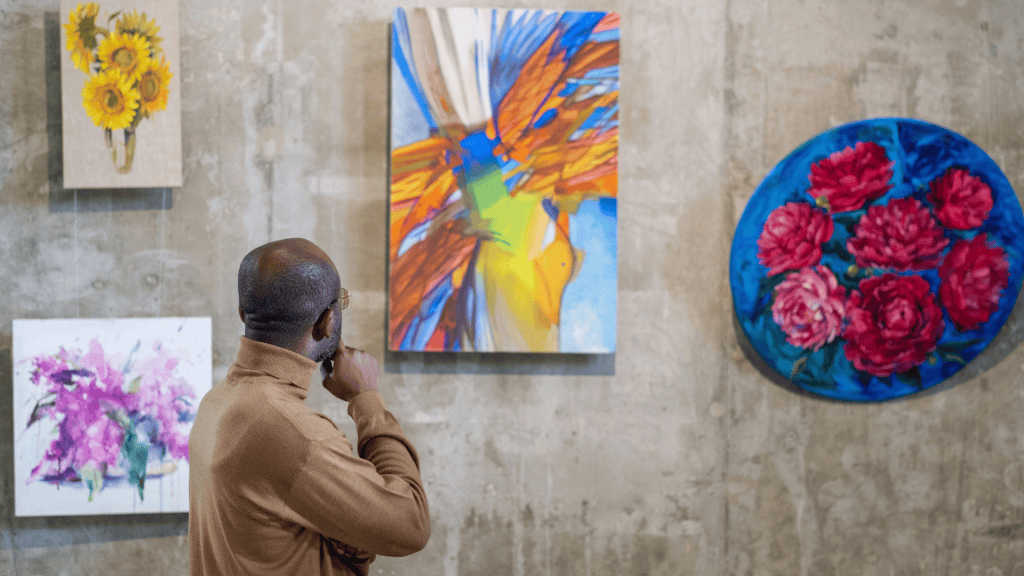
Art continues to hold significant value despite the rise of digital technology. It offers a unique way to understand human experience that cannot be replicated by screens or algorithms. Art fosters creativity, critical thinking, and emotional connection, which remain essential in a world dominated by digital interactions.
In an age where digital content is often mass-produced and fleeting, art provides depth and lasting impact. It challenges perspectives and encourages reflection in ways digital media alone cannot achieve. This makes art not only relevant but necessary in contemporary society.
The Enduring Importance of Art in the Digital Era
Art remains a vital part of human experience despite advances in digital technology. It continues to embody creativity, evoke emotions, and maintain social connections in ways that digital media alone cannot replicate.
Art as a Reflection of Humanity
Art captures the diversity of human experiences, emotions, and histories. Traditional art forms, such as painting and sculpture, document cultural heritage and human creativity in a tangible way. These physical art pieces offer a material presence that digital equivalents often lack.
Creative expression through art reveals individual and collective identities. It provides insight into the values and struggles of different societies across time. Artistic expression remains an essential record of what it means to be human, beyond data or digital representation.
Emotional and Social Impact of Artistic Expression
Artistic expression affects emotions directly, often evoking feelings that words cannot fully convey. Physical art, in particular, allows sensory engagement—such as texture or scale—that digital art may struggle to replicate. This sensory depth enriches emotional responses.
Art also plays a crucial social role, fostering empathy and understanding. It can challenge prevailing attitudes and inspire dialogue. In group settings, experiencing art together strengthens community bonds and shared meaning, which digital platforms can only partially emulate.
The Human Connection in a Virtual World
In an increasingly virtual world, art sustains the human connection often diminished by screens. Physical art creates shared spaces—galleries, museums, public installations—where people interact face to face. These environments support spontaneous conversations and collective reflection.
While digital art and platforms expand access, they cannot fully replace in-person engagement with art. The authenticity of creative expression is amplified through personal interaction, maintaining art’s role as a bridge between individuals and communities.
How Technology is Transforming Artistic Expression
Technology has reshaped the ways artists create, share, and engage with their work. New digital tools expand creative possibilities, while social media platforms enable broader and faster dissemination of art.
New Forms of Creativity Through Digital Tools
Digital tools have introduced unprecedented flexibility into the creative process. Software like Adobe Creative Suite and Procreate allows artists to experiment with layers, textures, and effects that were difficult or impossible in traditional media.
These tools enable precise adjustments, from brush opacity to colour blending, enhancing artistic control. Features such as undo/redo and digital canvases promote risk-taking and iterative refinement. Artists also combine digital imagery with 3D modelling, animation, and virtual reality to explore immersive experiences.
The integration of technology encourages imagination by offering new media for expression. It supports hybrid forms that blend painting, graphic design, and interactive elements, broadening the scope of artistic styles.
The Rise of Digital Art and Painting
Digital art and painting have become distinct art forms in their own right. Artists create detailed compositions on tablets and computers that rival or exceed traditional works in complexity and subtlety.
Digital painting tools replicate real-world brushes, pencils, and colour palettes but also expand them with features like infinite colour ranges and dynamic brush effects. This increases efficiency and opens new avenues for creativity.
Digital art is easier to reproduce and distribute without loss of quality. This accessibility drives artists to innovate with styles ranging from hyperrealism to abstract digital collages. The rise of digital art has led to new professional opportunities, including NFTs and online galleries.
The Role of Social Media Platforms in Art Dissemination
Social media platforms like Instagram, TikTok, and Pinterest have become vital channels for artists to showcase work. They allow instant sharing to global audiences, bypassing traditional gatekeepers like galleries and publishers.
These platforms support direct interaction with admirers and other creators, fostering communities and collaboration. Hashtags and trends help niche art styles gain visibility quickly.
Artists use social media to build personal brands and access potential clients or commissions. The visual focus of these platforms highlights digital and traditional art alike, accelerating the pace at which new movements and ideas spread.
The Relationship Between Human Creativity and Artificial Intelligence
The interaction between human creativity and artificial intelligence shapes how art evolves today. This relationship involves a blend of technological innovation and deeply intuitive human insight. Understanding their unique roles clarifies how art continues to develop in the digital age.
AI and the Fusion of Art and Technology
Artificial intelligence enables new forms of expression by merging technology with artistic creation. Algorithms can analyse vast data sets to generate patterns, styles, and compositions that might not arise in traditional practice.
AI tools such as generative adversarial networks (GANs) create visuals that push the boundaries of conventional art. This fusion delivers innovative outputs but remains dependent on the input and direction set by human artists.
The technology allows faster experimentation and refinement, opening doors to novel artistic styles and mediums. It transforms production processes but does not replace the foundational creative intent.
Human Intuition Versus Algorithmic Processes
Human intuition guides art with emotional resonance, cultural context, and unpredictable insight. It involves conscious choices shaped by experiences, morals, and aesthetic sensibilities.
Algorithms, however, follow data-driven rules. They excel in pattern recognition and optimisation but lack subjective understanding or empathy. This fundamental difference means algorithmic processes can suggest possibilities but cannot fully replicate human creativity.
Artists use intuition to make value judgments about what is meaningful or impactful, often rejecting algorithmic outputs that feel hollow or mechanical. Human intuition remains essential for authentic, relatable art.
Collaborative Creation: Artists and Algorithms
Collaboration between artists and AI combines strengths from both sides. Artists provide the vision and creative direction, while algorithms offer technical support and innovative suggestions.
This partnership can involve iterative feedback loops where AI generates options, and the artist selects or modifies them. It expands creative potential without losing the uniquely human element.
Examples include digital painters using AI to explore colour palettes or composers employing AI to develop musical variations. Such collaboration redefines artistic processes by integrating algorithmic assistance rather than replacing artists.
Immersive Art Experiences in the Digital Age
Digital technology has transformed how audiences engage with art. It creates new forms of interaction that go beyond traditional viewing, allowing deeper sensory and emotional connections.
Virtual Reality and Augmented Reality in Art
Virtual reality (VR) immerses viewers in fully digital environments, enabling them to explore artworks from within. Artists use VR to break physical limits, offering experiences like 360-degree galleries or virtual sculptures that shift with viewer movement.
Augmented reality (AR) overlays digital elements onto the real world, enhancing physical spaces. Museums and galleries integrate AR to provide layered information, interactive features, or visual effects on exhibits, enriching understanding without altering the original piece.
Both VR and AR extend art’s reach, making it more accessible and engaging. They encourage active participation and exploration, challenging conventional passive observation.
Immersive Installations and Their Cultural Impact
Immersive installations combine physical space with digital elements, creating environments that engage multiple senses simultaneously. These installations often mix light, sound, and motion sensors to respond dynamically to viewers’ presence.
Such works influence cultural dialogue by inviting collective participation and emotional immersion. They can address social themes, making abstract concepts tangible and prompting reflection in ways conventional art may not achieve.
Immersive installations also highlight technology’s role in expanding art’s expressive power. They push boundaries in how audiences experience time, space, and narrative within an artistic context.