
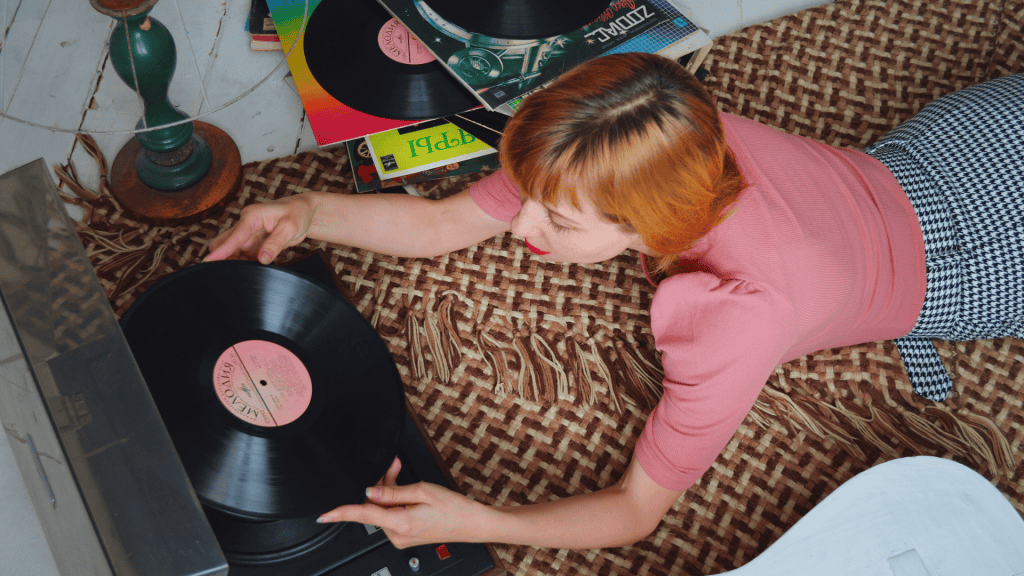
Vinyl records have experienced a significant resurgence in recent years. This comeback is driven by a combination of nostalgia, sound quality preferences, and the tactile experience that digital formats cannot replicate. People appreciate the physicality and artwork of vinyl, which adds value beyond just listening to music.
The appeal is also linked to the warmer, richer sound that many listeners find more satisfying than compressed digital files. Collectors and new listeners alike enjoy the ritual of playing a vinyl record, from handling the large album cover to carefully placing the needle.
Additionally, vinyl sales benefit from the growth of independent record stores and exclusive releases, which create a sense of community and exclusivity. The format’s durability further contributes to its appeal, making it a lasting medium in a fast-changing digital world.
The Revival of Vinyl: Why It’s Surging in Popularity
Vinyl records are seeing increasing demand driven by shifts in how people consume music and changes within the music industry. Sales trends, the role of digital platforms, and the strategies of record labels and artists all contribute to vinyl’s resurgence.
Rising Vinyl Sales and Market Trends
Vinyl sales have experienced consistent growth over the past decade. In 2024, vinyl accounted for over 25% of physical music sales in the UK, reaching figures not seen since the 1980s. This resurgence is partly due to collectors valuing the tangible format alongside its nostalgic appeal.
Retailers report that vinyl appeals both to older buyers who grew up with records and younger listeners seeking a more tactile connection to music. Limited editions and coloured pressings also fuel demand by offering unique experiences not available through digital formats.
The Influence of Streaming Services and Digital Music
Streaming services dominate overall music consumption but have inadvertently boosted vinyl’s appeal. As digital platforms provide instant access to vast catalogues, some consumers prefer vinyl for a deliberate, focused listening experience.
Digital streaming encourages discovery, but many listeners seek physical media to own their favourite albums. Vinyl offers a way to disconnect from the passive nature of streaming and enjoy music as a shared ritual or collectable.
Role of Record Labels and Independent Artists
Record labels now often release albums simultaneously on vinyl to capitalise on vinyl’s renewed popularity. Major and independent artists use limited vinyl pressings to connect with fans and create exclusive merchandise.
Independent artists especially benefit from vinyl, as the format adds perceived value and visibility in a crowded digital marketplace. Labels leverage vinyl sales to supplement revenues as digital income fluctuates, highlighting vinyl’s strategic importance in today’s music industry.
The Allure of Analogue: Sound Quality and Listening Experience
Vinyl offers a unique auditory and physical connection to music that digital formats often lack. The appeal lies in the specific qualities of analogue sound and the conscious way listeners engage with records.
Warmth and Nuance of Analogue Sound
Analogue sound delivers a distinctive warmth that digital compressions typically miss. Vinyl captures the full sound wave, retaining subtle distortions and harmonic richness. This results in a fuller, more natural tone that many audiophiles prefer.
The dynamic range on vinyl presents music with soft highs and warm lows, which enhances nuances in instruments and vocals. This perceived “warmth” is partly due to minor imperfections and the gentle surface noise that adds character to the listening experience.
Turntables reproduce sound through an entirely mechanical process, avoiding the conversion losses present in digital formats. For music lovers who prioritise sound quality, this analogue authenticity is a key reason to choose vinyl.
The Ritual and Tangibility of Playing Records
Playing vinyl involves a deliberate process that can create a deeper bond with music. Removing a record from its sleeve, placing it on a turntable, and setting the needle down requires focused attention, which contrasts with the immediacy of streaming.
The physicality of vinyl—a large cover, detailed album art, and liner notes—adds layers to the listening experience. Many fans appreciate how these tangible elements complement the sound, enriching their connection to the artist and album.
Owning and handling a record links listeners to music in a tactile way that digital formats cannot replicate. This ritualistic engagement encourages respect and anticipation for each listening session.
Focused, Intentional Music Appreciation
Using vinyl demands active participation, reducing distractions common in digital consumption. Listeners often play an entire side of an album rather than skipping tracks, fostering a greater understanding of the artist’s intent.
The limitations of analogue formats mean listeners must give full attention to the music, enhancing concentration and emotional response. Audiophiles highlight how this focused listening reveals complex arrangements and production details often overlooked on digital.
For music lovers, vinyl promotes appreciation of music as a crafted art form, not just background sound. This intentionality keeps the listening experience meaningful and immersive.
Cultural, Aesthetic, and Social Drivers Behind the Comeback
Vinyl’s resurgence is linked to deep emotional and social factors. These involve personal connections to the past, the appeal of exclusive items, the pleasing design of physical albums, and community experiences centred around record shops.
Nostalgia and Generational Appeal
Nostalgia plays a significant role in vinyl’s popularity. Older generations who grew up with vinyl seek to reconnect with their past through the tactile experience of playing records. For them, vinyl offers a direct link to memories and music culture from their youth.
Younger listeners, meanwhile, are attracted to vinyl as a way to explore music differently from digital streaming. The ritual of handling records and the warmth of analogue sound contrast with the convenience of digital formats. This cross-generational interest fuels the growth of vinyl collectors and increases the demand for physical albums.
Collectibility and Exclusive Pressings
Collecting vinyl appeals to those who value rarity and exclusivity. Limited edition pressings, coloured vinyl, and special artwork make each album a unique item. Vinyl collectors often search for rare releases to enhance their vinyl collection, adding value beyond the music itself.
Exclusive pressings connected to Record Store Day further boost collectibility. These coveted releases are produced in limited quantities for independent record stores, encouraging music lovers to visit physical locations. The interplay between scarcity and variety maintains excitement among vinyl collectors and drives continued interest.
Aesthetic Appeal of Physical Albums
The design of vinyl records contributes strongly to their appeal. Album covers provide a large, tangible canvas for artwork, capturing the artist’s vision visually. The liner notes and inner sleeves offer added context and information, which digital formats largely lack.
Vinyl records appeal to those who appreciate the aesthetic experience of music. The feel of the album, the display of colourful covers, and the ritual of setting a record on a turntable all heighten sensory engagement. This physicality enhances the connection between the listener and the music.
Community, Record Stores, and Record Store Day
Independent record stores act as social hubs for vinyl enthusiasts. These stores foster a sense of community among music lovers, encouraging conversation and exchange about new and classic releases. The experience of browsing physical collections cannot be replicated online.
Record Store Day exemplifies this community focus. It brings together vinyl collectors, artists, and store owners through special events and exclusive releases. The day strengthens the bond between listeners and record stores, supporting a network that sustains vinyl’s comeback.