
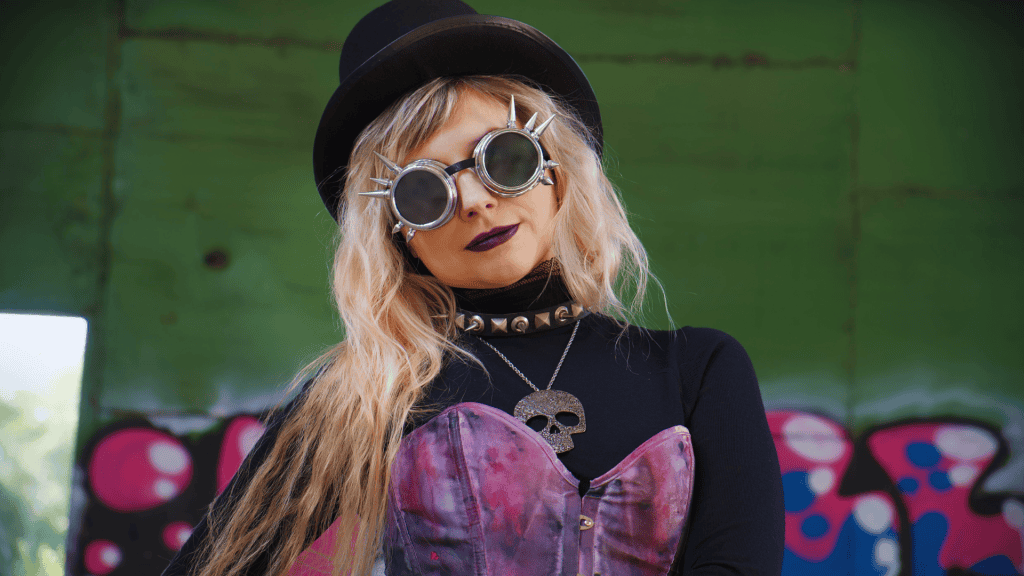
Fashion acts as a powerful tool for subcultures to express their identity, values, and resistance to mainstream norms. It offers a visible language through which groups can communicate their beliefs without words. By adopting distinctive styles, subcultures create a voice that challenges societal expectations and fosters a sense of belonging.
Clothing, accessories, and overall aesthetic choices often reflect deeper cultural, political, or social ideas within subcultures. These visual signals help members connect with one another and distinguish themselves from broader society, reinforcing their unique perspectives and experiences.
This interaction between fashion and subcultures highlights how style goes beyond mere appearance. It becomes a form of communication, activism, and solidarity, making fashion an essential element of cultural expression and identity.
The Role of Fashion in Giving Voice to Subcultures
Fashion acts as a tangible way for subcultures to communicate their values and identity. It goes beyond aesthetics, serving as a tool to challenge mainstream culture and create a unique visual language.
Self-Expression and Identity
Subcultures use fashion to carve out distinct identities. Clothing choices allow members to express personal beliefs and social affiliations. For example, punk fashion—characterised by ripped clothes and safety pins—signals rebellion and anti-establishment views.
This form of self-expression enables individuals to stand apart from dominant cultural norms. It creates a sense of belonging within the group while highlighting differences to outsiders. Through fashion, subcultures solidify their unique cultural identity visibly and continuously.
Resistance to Dominant Culture
Fashion within subcultures often acts as a form of resistance. By rejecting mainstream trends, members confront dominant societal values directly. Goth fashion, with its dark colours and dramatic makeup, rejects conventional beauty standards and consumerist culture.
Such opposition is a deliberate statement against dominant ideologies. It challenges norms through alternative aesthetics that question broader social and political systems. Fashion becomes a visible protest, enabling subcultures to voice dissent without words.
Visual Language and Symbols
Fashion creates a visual language with specific symbols that convey subcultural meanings. Items such as badges, tattoos, or specific colour schemes serve as codes understood within the group. Mods used tailored suits and parkas to express modernity and class aspirations.
This symbolic communication fosters identity and solidarity. It allows members to recognise each other and share unspoken values. Through these visual markers, fashion becomes a powerful method of cultural storytelling for subcultures.
Defining Subculture Aesthetics Through Dress
Subcultural dress encapsulates both personal expression and shared values. It reflects a group’s stance towards mainstream culture while signalling membership and identity. Dress codes convey complex messages through style choices, materials, and symbolic details.
Individualism and Collective Identity
Subcultural dress balances individualism and collective identity by allowing members to express unique traits while maintaining visible group cohesion. For instance, punk fashion embraces DIY customised clothing, which highlights personal rebellion alongside collective anti-establishment sentiments.
This blend helps define group boundaries. While individuals customise within styles, common elements—such as specific colour schemes or accessories—create a shared aesthetic language. Through dress, subcultures negotiate belonging and differentiation simultaneously.
Evolution of Subcultural Styles
Subculture aesthetics evolve as members reinterpret or adapt styles in response to social changes. The goth subculture, originally defined by dark, Victorian-inspired fashion, has integrated more diverse influences like cyber or romantic goth elements over time.
Change happens both organically and through cross-cultural influences. New generations adopt or reject aspects of earlier styles to maintain relevance. This evolution preserves the subculture’s core values while accommodating new expressions.
Aesthetics Versus Trends
Subcultural aesthetics are rooted in ideology, distinguishing them from ephemeral fashion trends. Trends tend to be commercially driven and short-lived, whereas subculture styles are purposefully crafted to reflect identity, beliefs, and resistance.
Some subcultures deliberately reject popular trends to maintain authenticity. Others may incorporate certain global fashion elements but adapt them to suit their unique codes. This distinction highlights the difference between surface-level style and deeply embedded values within subcultural dress.
Iconic Subcultures and Their Signature Styles
Distinctive styles have long allowed subcultures to assert identity and values through clothing. Each group combines specific materials, colours, and accessories with cultural meaning. These sartorial choices communicate rebellion, pride, and shared experience without words.
Punk: Safety Pins and Leather Jackets
The punk subculture is marked by raw, DIY aesthetics that challenge mainstream norms. Leather jackets are central, often customised with studs, patches, and slogans. Safety pins became symbolic accessories, used practically and decoratively to represent anti-establishment attitudes.
Torn clothing and vivid hair colours complete the look, underscoring a rejection of conformity. Punk fashion reflects the music’s aggressive, anarchic spirit, emphasising individualism and a confrontational style. Bands like the Sex Pistols shaped this visual language during the 1970s UK scene.
Goth: Dark Clothing and Dramatic Flair
Goth fashion centres on dark palettes, primarily black, sometimes mixed with deep purples or reds. Velvet, lace, and leather are common materials, creating a dramatic, romantic aesthetic. The style often features heavy makeup, including pale foundation and dark eyeliner.
This group expresses fascination with themes like mortality and mysticism. The goth subculture grew from post-punk music and emphasises artistic expression through its attire. It communicates a distinct moodiness that contrasts sharply with mainstream trends.
Hip-Hop: Streetwear and Cultural Pride
Hip-hop fashion originated in urban US communities and is closely tied to streetwear brands, loose silhouettes, and athletic footwear. Baggy jeans, tracksuits, baseball caps, and hoodies define the look. These garments serve as symbols of cultural identity and resistance.
Jewellery, such as large chains, plays a significant role, signalling success and status within the subculture. Hip-hop fashion reflects the musical genre’s roots and social commentary, highlighting pride in heritage and lived experience.
Music and Art’s Impact on Fashion
Both music and visual art act as powerful influences, shaping subcultural styles. Bands and musicians often dictate early trends, while artworks and graphic designs inspire motifs and colour schemes.
These creative forms enable subcultures to innovate and visualise their values through clothing. The relationship is cyclical, as fashion later influences music videos, stage costumes, and wider cultural aesthetics.
Transformation of Subcultural Fashion in the Digital Age
The digital age has reshaped how subcultures express identity through fashion. Online platforms accelerate the spread of styles, invite commercial interest, and support activism while challenging authenticity.
Subcultures in Online Communities
Digital platforms like Reddit, Instagram, and TikTok create virtual spaces where subcultures share and evolve their fashion. Members exchange images, styling tips, and history, fostering global connections beyond geographic limits.
This accessibility encourages rapid style innovation but also increases exposure to broader audiences. Niche aesthetics such as cyberpunk, cottagecore, or goth find larger followings, facilitating cross-subcultural blending and reinterpretation.
Online communities provide immediate feedback and validation, reinforcing fashion choices while enabling individuals to curate personal subcultural identities in highly visible ways.
Commercialisation and Mainstream Adoption
Major brands monitor online conversations and subcultural styles for marketing opportunities. Trends originating in subcultures often become commodified and adapted for mainstream consumers.
This shift can dilute original meanings as subcultural symbols are repackaged for mass appeal. For example, punk fashion’s anti-establishment iconography is frequently simplified into trendy motifs without political context.
While commercialisation provides visibility and financial benefits for some creators, it can erode subcultural exclusivity. Members may feel compelled to resist or redefine their styles continuously to maintain distinctiveness.
Activism and Preserving Authenticity
Fashion in subcultures increasingly intersects with digital activism. Platforms highlight issues such as cultural appropriation, labour rights, and environmental impact related to production and style choices.
Subcultures use fashion as a vehicle for political statements or social awareness, often through eco-conscious materials or ethically designed collections shared online. This supports broader activist goals and community cohesion.
At the same time, members debate how to preserve authentic expression against commodified or diluted representations. Digital tools aid in documenting histories and maintaining transparency about origins and meanings.