
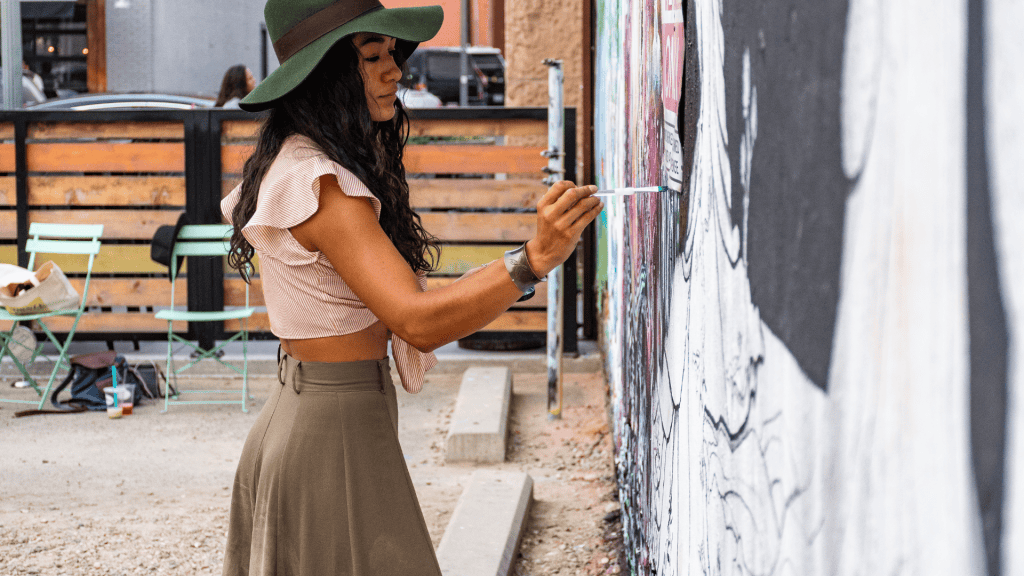
Street art has emerged as a powerful form of artistic expression that significantly influences urban culture. It breathes new life into public spaces, transforming dull walls into vibrant canvases that reflect the community’s identity and aspirations. Street art not only challenges societal norms but also creates a dialogue between artists and the public, redefining urban culture in the process.
As cities evolve, so too does the role of street art. It serves as a catalyst for change, addressing social issues, and promoting inclusivity within communities. By reclaiming neglected spaces, street artists foster a sense of belonging and participation among residents, making art accessible to all.
Furthermore, street art captures the essence of contemporary urban life, providing a platform for voices that might otherwise go unheard. Through this vivid form of expression, artists invite observers to engage with their surroundings in a new way, ultimately enriching the cultural landscape of cities.
The Rise of Street Art as a Cultural Phenomenon
Street art has transitioned from a marginalised form of expression to a recognised element of urban culture. This evolution reflects a growing appreciation for creative expression in public spaces, shedding light on social issues and reshaping city landscapes.
From Vandalism to Validity
In the past, graffiti was often dismissed as mere vandalism. Many viewed it as an act of defiance and a nuisance that tarnished public areas. Over time, artists began to challenge this perception, demonstrating that their work is an important cultural commentary. This shift paved the way for street art to be acknowledged not just as art, but as a legitimate form of expression that deserves visibility and respect.
Influential Figures: Banksy and Basquiat
Banksy and Jean-Michel Basquiat are two pivotal figures in street art’s rise to prominence. Banksy, with his provocative stencils and satirical messages, has garnered international fame and acclaim, pushing viewers to engage with pressing societal issues. In contrast, Basquiat’s work combined street culture with fine art, addressing themes of race, identity, and socio-political struggle. Their distinct styles and impactful messages have inspired a new generation of artists and elevated street art’s status.
Evolution of Styles: Graffiti to Installation Art
The styles of street art have diversified significantly. Traditional graffiti, characterised by bold tags and murals, has evolved into various formats, including wheat-pasting and installation art. Artists now use a multitude of techniques to convey messages, from intricate stencils to immersive projects that transform urban spaces. This evolution broadens street art’s appeal, attracting not only local artists but also global supporters who appreciate the creativity and vision behind each piece.
Urban Impact and Revitalisation
Street art plays a crucial role in fostering urban regeneration, contributing to economic growth, and promoting cultural tourism. Its vibrant presence not only beautifies spaces but also enhances local identity and historical narratives.
Cultural Hubs and Economic Growth
Street art has transformed neglected urban areas into cultural hubs. Cities embracing mural arts programmes report increased visitor traffic, driving tourism and local business. Economic growth can often be traced back to these revitalised spaces, which attract creative industries and new enterprises.
Investment in street art initiatives creates job opportunities, providing platforms for local artists and enhancing the economy through increased footfall. This cultural shift not only revitalises neighbourhoods but also fosters community pride and cohesion.
Regeneration through Vibrant Murals
Vibrant murals serve as catalysts for urban regeneration. They often emerge in areas marked by decline, bringing colour and character to formerly neglected spaces. This art form encourages beautification efforts, transforming dreary streets into visually engaging destinations.
By adorning walls with large-scale artworks, cities can highlight local history and social themes, making them relatable to residents and visitors alike. Engaging with artists in this process helps to build rapport within the community, fostering a sense of ownership and belonging.
Landmarks and Local History Preservation
Street art projects frequently incorporate elements of local history, helping to preserve and promote cultural landmarks. Artists often reinterpret historical narratives through their work, creating a dialogue between the past and the present.
This blend of artistry and heritage contributes to place-making, giving significance to locations. By celebrating history through murals and graffiti, cities can ensure that local stories remain alive while also attracting tourism, as visitors seek culturally rich experiences.
Social Commentary and Urban Expression
Street art serves as a powerful medium for social commentary, allowing artists to address pressing social issues while fostering community engagement and reshaping public spaces. This art form plays a crucial role in redefining urban culture by creating dialogues that resonate within the urban landscape.
Activism and Social Issues
Street art often acts as a vehicle for activism, highlighting social issues such as inequality, racism, and environmental concerns. Artists utilise visual narratives to provoke thought and inspire action among viewers. For instance, works addressing police brutality or the climate crisis can be found in prominent urban locations, aiming to spark conversations and mobilise communities.
Moreover, the anonymity of street artists enables them to challenge the status quo without the constraints typically associated with traditional art forms. This aspect allows them to speak boldly on behalf of underrepresented voices, providing a platform for critique and advocacy.
Engaging Community and Encouraging Participation
Community engagement is integral to street art. Artists frequently involve local residents in the creation process, transforming mere spectators into active participants. Initiatives such as mural projects or workshops foster a sense of ownership within the community, as residents contribute ideas and even artistic elements.
This participatory approach not only enhances the artwork’s significance but also builds community ties. As people collaborate on projects, they develop relationships and a shared identity that strengthens the social fabric of urban areas. The result is a more vibrant and inclusive urban environment where diverse voices can be heard.
Redefining Public and Urban Spaces
Street art transforms public spaces, turning them into canvases that reflect the cultural identity of the neighbourhood. These artworks can revitalise neglected areas, drawing attention and foot traffic, which benefits local businesses.
Furthermore, street art challenges traditional perceptions of these spaces, encouraging people to engage with their surroundings in new ways. By infusing creativity into urban landscapes, street art blurs the boundaries between art and everyday life, making art accessible to all. This transformation redefines not just the physical space but also the experience of those who inhabit it.